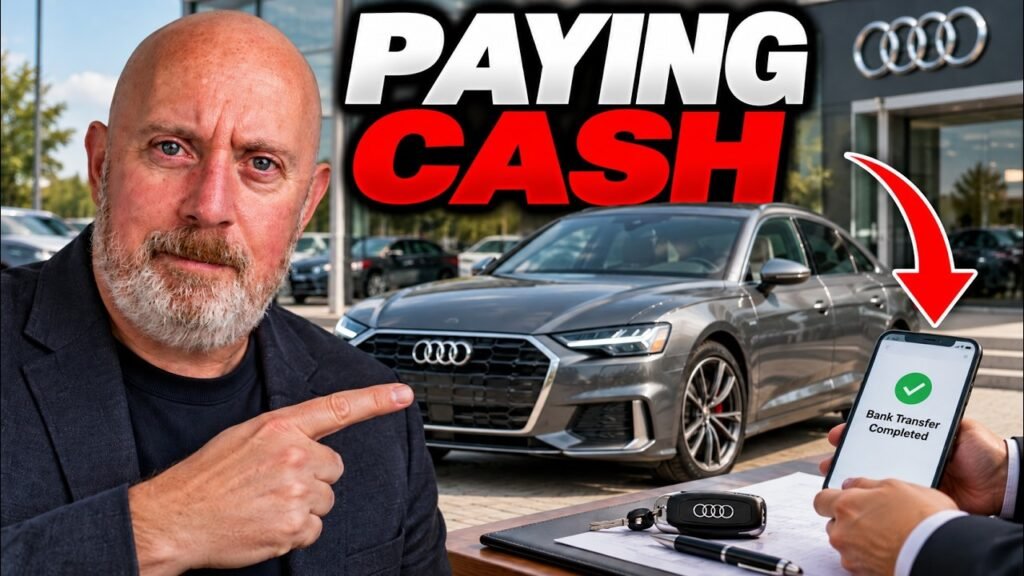
Paying cash is the form of car funding with the most myths and wrong preconceptions around it. By the end of this guide you may know a few things you didn’t before, and you may get a surprise or two.
What does “paying cash” actually mean?
It means paying for a car outright from savings or funds that aren’t a loan. But the term is outdated, because it doesn’t mean turning up with a carrier bag of notes. Try that at a dealership today and you risk a money-laundering investigation. Dealers have obligations to report suspicious payments, and the figure I always worked to was £10,000.
These days paying cash means:
- A bank transfer.
- A debit card.
- A bank draft, although you don’t see them much now, and a draft is no longer treated as the same as cash. Many dealers will want it cleared first.
Personal cheques are a no-no. A dealer won’t release the car until a cheque has cleared, which can take seven to ten days.
Myth: paying cash gets you a discount
Most people assume that paying cash gets them a better deal. It doesn’t, and it hasn’t done for a long time. It certainly didn’t when I was in the business over a decade ago.
The idea goes back to the Arthur Daley types in sheepskin coats on gravel pitches, selling used cars for a few hundred quid. Cash went in the back pocket, not through the books, and the tax went unpaid, so a bit of discount got passed on. That’s not how it works today. Banks charge businesses for counting and handling cash, and they don’t really want it.
Nor does paying cash earn you kudos with the dealer. Dealers don’t rely on finance commission as much as they used to, because they can’t inflate rates the way they once did, but they still make more profit if you finance the car. For much of my time as a sales executive and manager, my own performance was measured on finance penetration: the percentage of deals done on finance that month. The higher the percentage, the higher the level of commission I earned, and I sometimes did deals on a new car that broke even or lost money, because the finance commission and the commission banding made up for it.
So please understand this: there’s no advantage to you in going to a dealership and paying cash. It won’t make you look big or clever, and it won’t get you a discount. You may well get a discount, but not one any bigger than you’d have got paying any other way.
The benefits of paying outright
- No interest to pay.
- No monthly payments and no handback worries.
- No mileage restrictions. It’s completely yours.
- Flexibility. You can sell any time you like, to anyone, without asking permission or needing a dealer with a credit licence to settle off finance.
The big drawback: depreciation is all yours
When you pay cash, the depreciation is yours and yours alone, and cars lose money. Very few ever make money, and you’d have to keep them for a very long time, until they become classics.
Here’s a real example. My first lease car was a silver Peugeot 308 in 2014. Over the 24 months, including the deposit, the monthly payments and the money I paid to hand it back (for a few scratches and dents), the total was £4,444. A friend who ran used car dealerships told me the minimum depreciation on that car between those two dates was £11,000. If I’d paid cash and sold it at the end, I’d have lost over £11,000, not £4,444, and that doesn’t include maintenance, fuel or insurance.
The money you put into a car also isn’t earning anything. It could be earning interest or growing in a stocks and shares ISA. You’re putting your hard-earned money into a depreciating asset, which doesn’t make much sense.
And here’s something to bear in mind when you look at a dealer’s forecourt: they haven’t paid for those cars out of their own bank accounts. They’re on stocking plans, which are like a huge overdraft with interest, because they know there’s no point tying up capital in cars that lose value.
When paying cash does make sense
If you can afford to pay a lump sum so easily that you barely notice it leaving your account, say a £100,000 Range Rover that makes no dent in your finances, then fine. If you won EuroMillions, you wouldn’t finance a Range Rover. In those circumstances it makes total sense.
But I’d say the overwhelming majority of people reading this aren’t in that position. I’ve known people who cleared out Post Office accounts and ISAs to buy a new Discovery or Range Rover, and I cringed. What if the roof goes on your house and you’re not insured? What if you suddenly need £15,000 for something else and it’s all tied up in the car? Most people like to keep a pot for a rainy day, and you have to hope that day doesn’t come if everything is in a depreciating asset.
A middle ground
If you’ve got plenty of cash and like the idea of owning the car, but you don’t want a balloon payment or mileage limits, there’s a middle road. Take out a hire purchase agreement or a personal loan with a decent deposit, and keep your flexibility. I like smaller deposits, but that’s me.
The bottom line
I’d say pay outright only if you can do it without noticing. I prefer financing, because you get the car now rather than waiting and saving up. Unless you can pay without feeling it, paying cash doesn’t make a lot of sense in my book. There are better things to do with your money.
This guide is the last of four. See also PCP, leasing and hire purchase, or the overview of all four ways to pay.
If you’d like independent help with a deal, I offer a car deal consultation service. I work for you, not the dealer, the manufacturer, the finance company or the leasing company. Find out more.